
An Evening on Leadership, Role Models, and the Future of Tech
How can leadership succeed in an industry that remains heavily male-dominated? What needs to change to make technical careers more attractive to women? And what role do companies, leaders—and even one’s own mindset—play in this?
On September 3, 2026, “Connect 2026,” the summer event organized by Women & Friends in Tech at IAMCP Switzerland, focused on precisely these questions.
A successful event featuring thought-provoking insights, diverse perspectives, and a message that ran through the entire evening: Ultimately, the focus should not be on gender, but on the individual—their skills and potential.
Women & Friends in Tech: Networking, Empowering, and Creating Opportunities
Women & Friends in Tech, or WIT for short, is an initiative of IAMCP Switzerland. Its mission includes connecting women within the Microsoft ecosystem, supporting them in achieving their professional and personal goals, and attracting more women to careers in information technology while helping them remain in the industry long-term.
This initiative is deliberately not just about women. The very name “Women & Friends in Tech” makes it clear that change can only succeed when we work together.
WIT views diversity as a key factor in fostering varied and creative approaches to problem-solving. At the same time, collaboration, mutual learning, and an open, trusting, and inclusive environment are at the heart of the initiative.
This very attitude was also evident at “Connect 2026.”
People Before Gender
Ylenia Sieber from Epic Fusion kicked off the substantive program with an engaging keynote address.
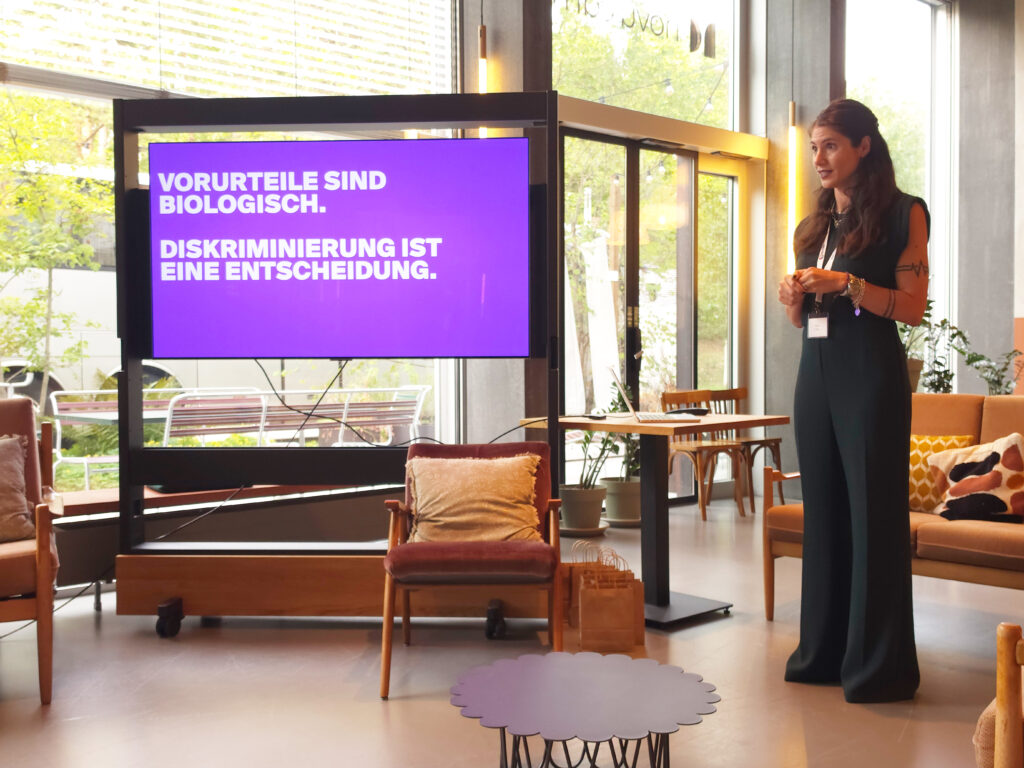
One of her key messages: When we talk about leadership and careers, we should focus more on the person and their abilities—and less on that person’s gender.
This is an idea that sounds self-evident at first, but in practice is still far from being a reality everywhere.
This is because, particularly in technical professions and leadership positions, traditional role models, established structures, and expectations still prevail in many places, influencing who chooses certain career paths—and who even feels drawn to them in the first place.
Four Women, Different Perspectives
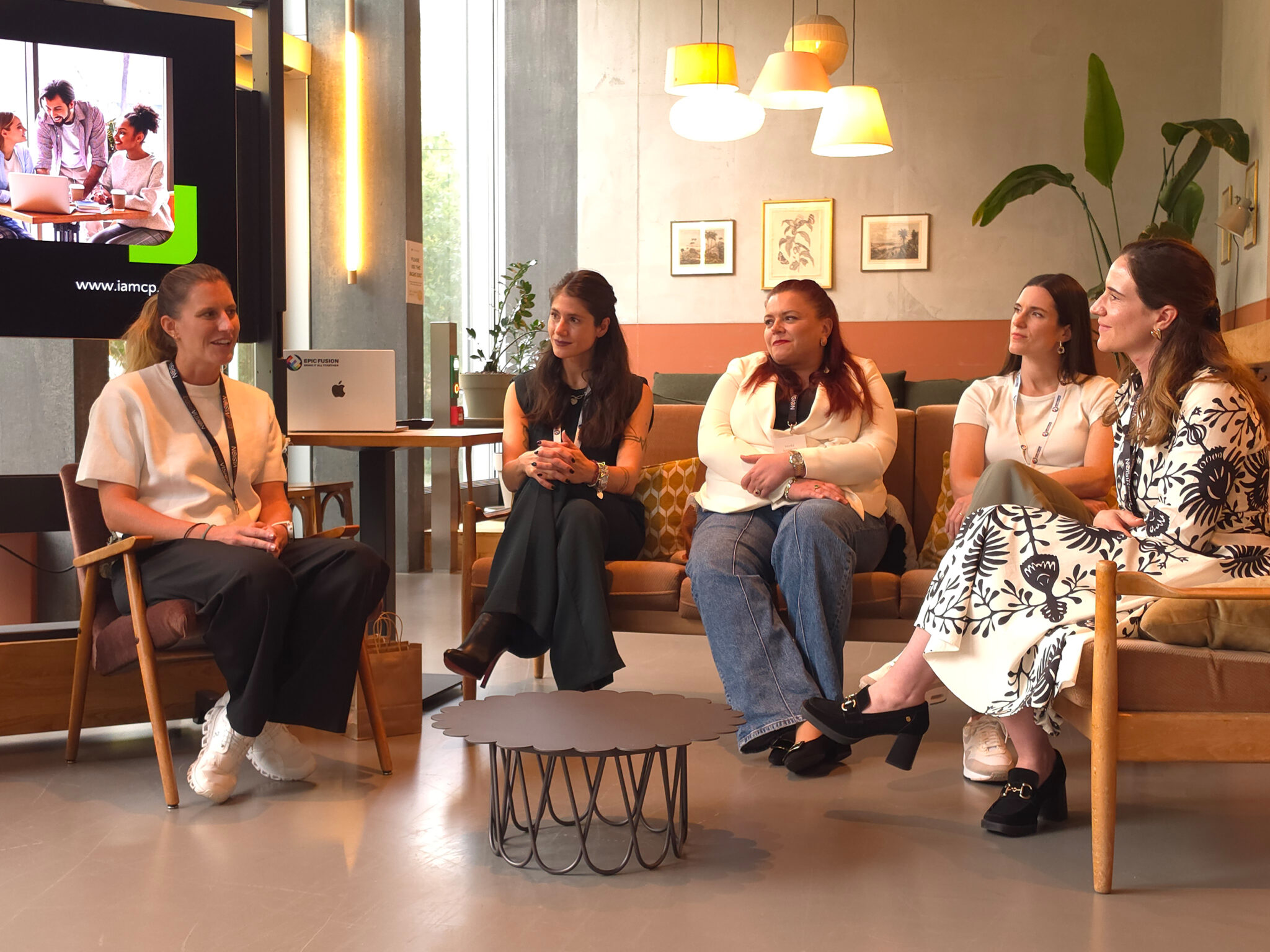
In the panel discussion that followed, the topic was explored in greater depth with four experienced women from various sectors of the tech industry.
Rea Böhm is the General Manager of isolutions’ Digital Hub in Barcelona and brings extensive international leadership and project experience to the role. She operates at the intersection of technology, organization, and international collaboration.
Fabienne Lorenz has been working in the fields of leadership, training and development, and organizational development for many years. Her focus is on preparing people and organizations for the future, further developing leadership cultures, and providing sustainable support for change.
Ylenia Sieber is Head of Marketing & Communication at Epic Fusion and has many years of experience in marketing, communications, and brand management within the technology industry.
Monika Borowinska is Manager of Customer Success Account Managers for enterprise customers at Microsoft Switzerland. She has been with Microsoft for over 13 years and has extensive experience in sales, customer success, leadership, and digital transformation.
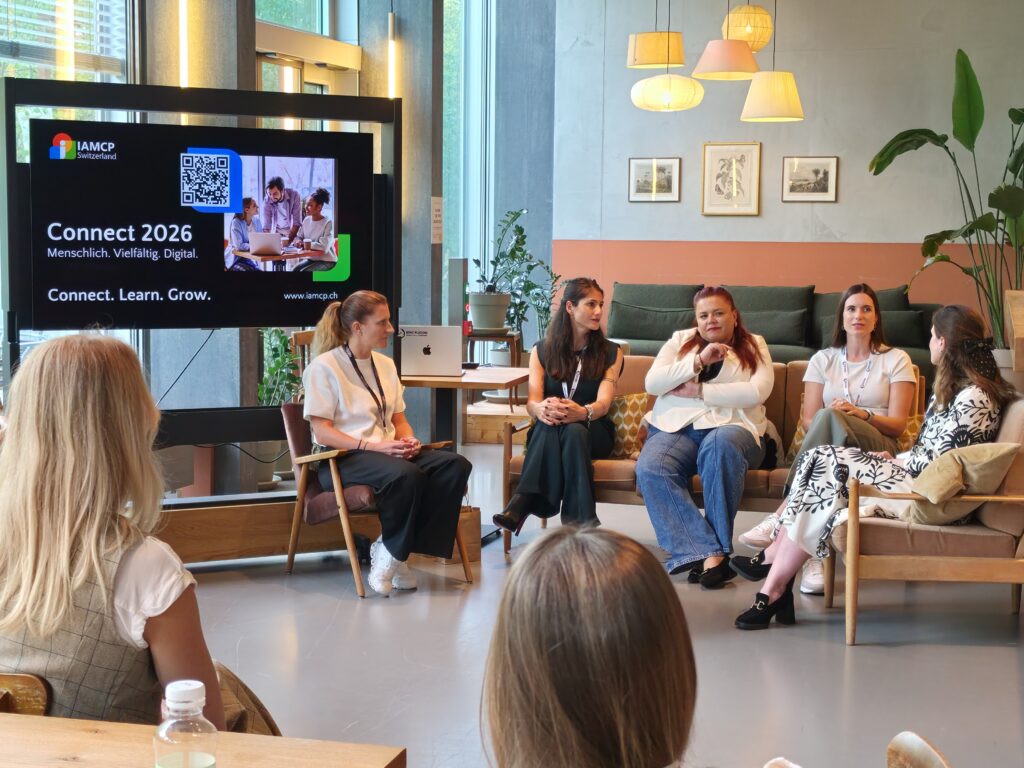
It was precisely the diversity of professional backgrounds that made the discussion so engaging. Instead of a single answer to the question of female leadership, there were a variety of experiences, perspectives, and approaches.
What needs to change?
One of the central questions of the evening was:
What needs to change to make IT and technical professions more attractive to women?
The discussion revealed that changes are needed on several levels.
On the one hand, structures and framework conditions must evolve. This includes, for example, more flexible work schedules, diverse career paths, and work models that accommodate different life situations. Companies must create attractive conditions so that people can contribute their skills and continue to develop them over the long term.
At the same time, we must move away from outdated gender roles. Technical expertise, leadership skills, and career ambitions are not a matter of gender.
On the other hand, the panel also addressed the personal aspect. Change requires not only new systems but, in some cases, a shift in mindset as well. This includes, for example, the courage to seize opportunities, take on responsibility, or apply for a position—even if not every single qualification criterion seems to be met.
This makes it clear: it’s not a matter of either the system or the individual. Sustainable change requires both.
An approach that aligns with our values
These issues are also on our minds here at Online.
As a technology company, we operate in an environment shaped by change. AI, new technologies, and new forms of collaboration are transforming processes, business models, and entire job roles.
For us, therefore, progress involves more than just technological innovation.
Our values— People, Growth, Responsibility, and Impact —reflect how we view collaboration: People should be able to contribute their strengths, take on responsibility, continue to develop, and make an impact together.
For us, “People” means putting people at the center of everything we do. Diverse experiences, perspectives, and skills make teams stronger and help us develop better solutions.
Greater diversity requires the right conditions
If we want to attract more women to technology and leadership positions, it’s not enough to just talk about it.
We need concrete framework conditions.
Flexible work schedules, working from home, part-time options, and various ways to shape one’s career can help people better balance their careers with different stages of life.
Equally important are opportunities for professional development, trust, and a corporate culture in which people can take on responsibility.
After all, the crucial question shouldn’t be:
“Is this person a woman or a man?”
But rather:
What skills does this person bring to the table—and how can we create an environment where they can reach their full potential?
Connect means: facilitating exchange
After the keynote and panel discussion, the official part of the evening was far from over.
During the reception that followed, there was plenty of time for conversation, networking, and making new connections in a relaxed atmosphere. It was precisely this personal interaction that made the event particularly valuable.
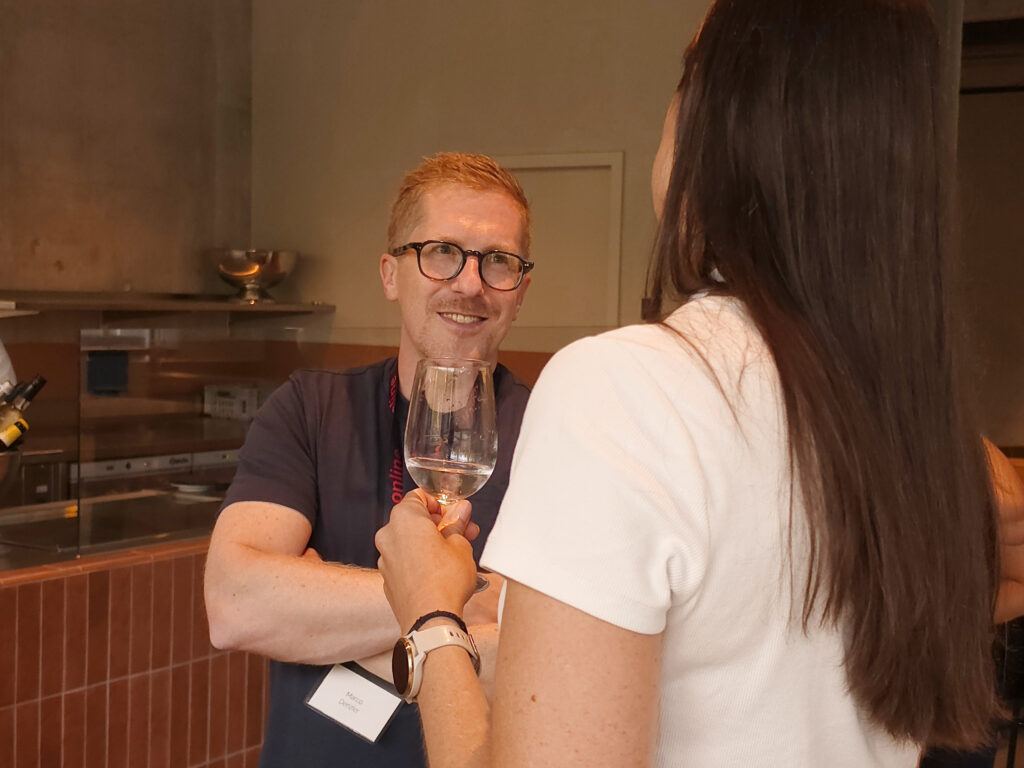
After all, change doesn’t just happen on stage or in strategy documents. It also happens in conversations, through new perspectives, and when people connect with one another.
That’s exactly what Connect stands for.
It was a very successful evening with exciting insights, diverse perspectives, and plenty of food for thought—and a great example of just how important platforms like Women and Friends in Tech are for our industry.